Keep Your Roof · Conroe, The Woodlands, Spring, Montgomery
You may not need a new roof.
If your roof isn't leaking, it usually has years left. Shingles last 20 to 25 years. The nails, pipe jacks and plastic vents on it don't. Fix those once, and the roof you already have runs its full life. We look first, show you what we found in photos, and you decide.
Your truck has a light. Your roof doesn't.
The only way to know where your roof stands is to get up there and look. By the time you see a leak, the damage is already behind the wall.
Small roof issues don't stay small
- Nails begin to lift, and water travels under the shingles.
- Flashings loosen as the home expands and contracts.
- Minor wear becomes hidden leaks in decking, insulation and drywall.
- By the time a problem shows up indoors, it's usually far more expensive.
Where the visit is spent
Where roofs leak
A roof is a water-shedding system, not a waterproof one. Water gets in at the parts, not through the shingles.
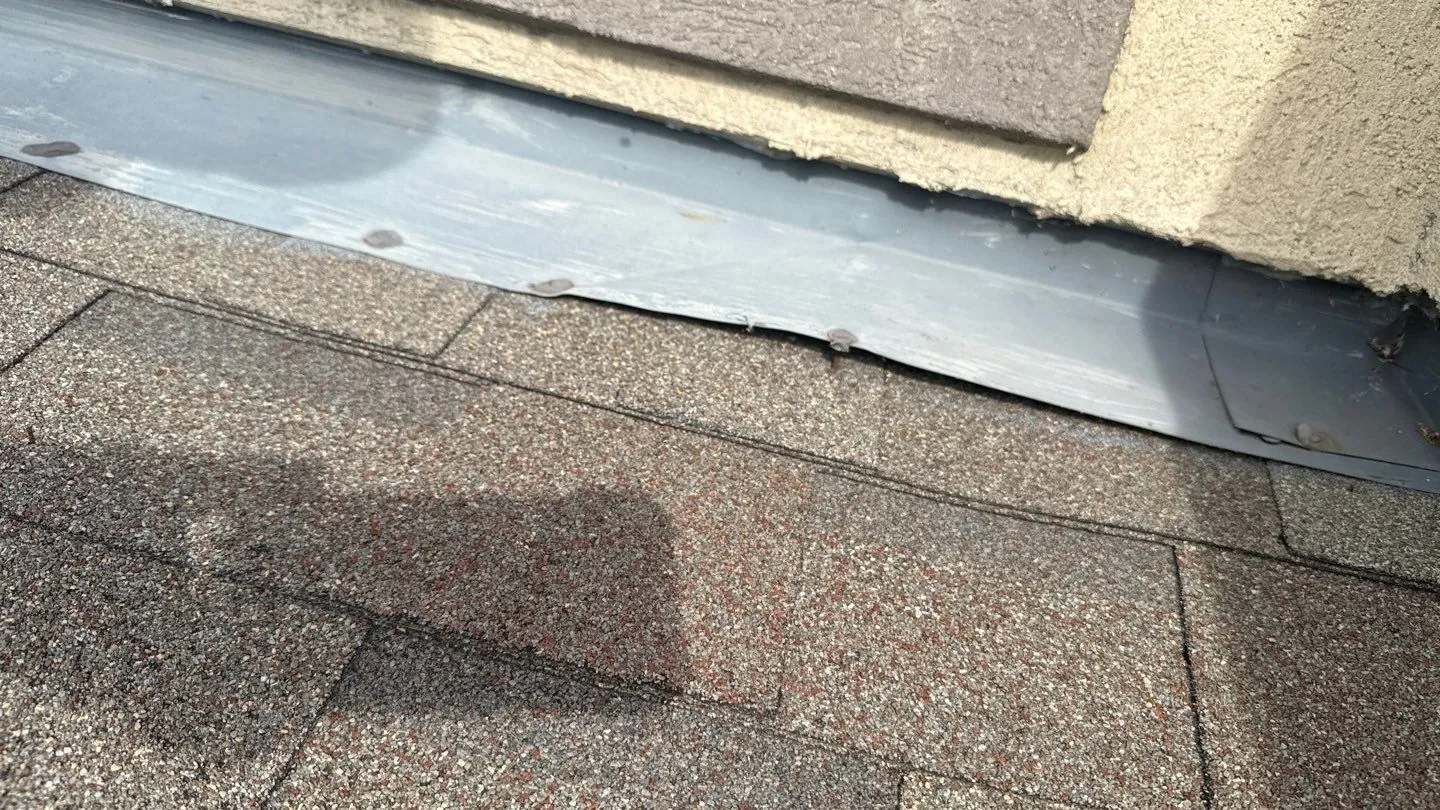
Exposed nails
Metal flashings move every day. Your home shifts and settles. A smooth nail works loose; a screw has threads.
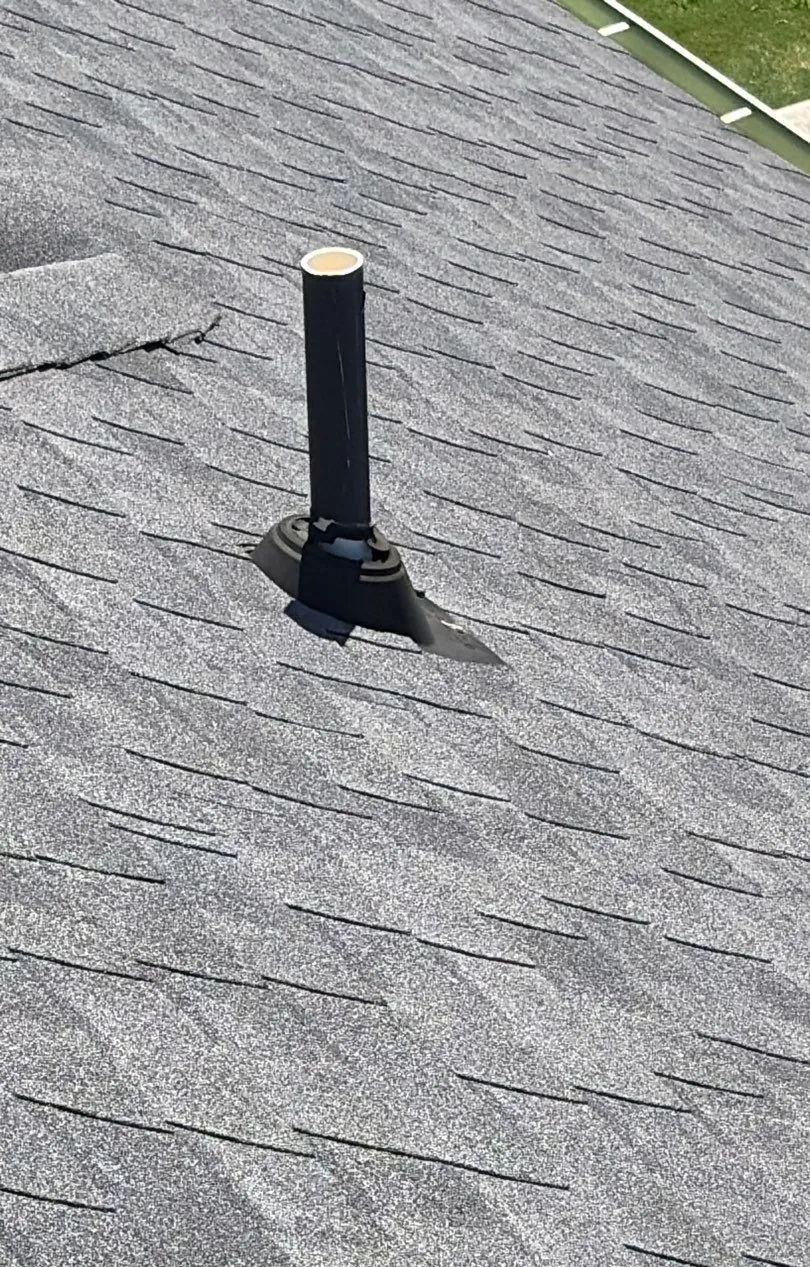
Pipe jacks
The rubber boot around each plumbing vent dries out and cracks. Often the nails in front of it are pulling up first, and water gets underneath.
Plastic vents and the dryer vent
Builder-grade plastic cracks in the Texas sun. Most dryer caps on roofs are stamped "Not for dryer vent use."
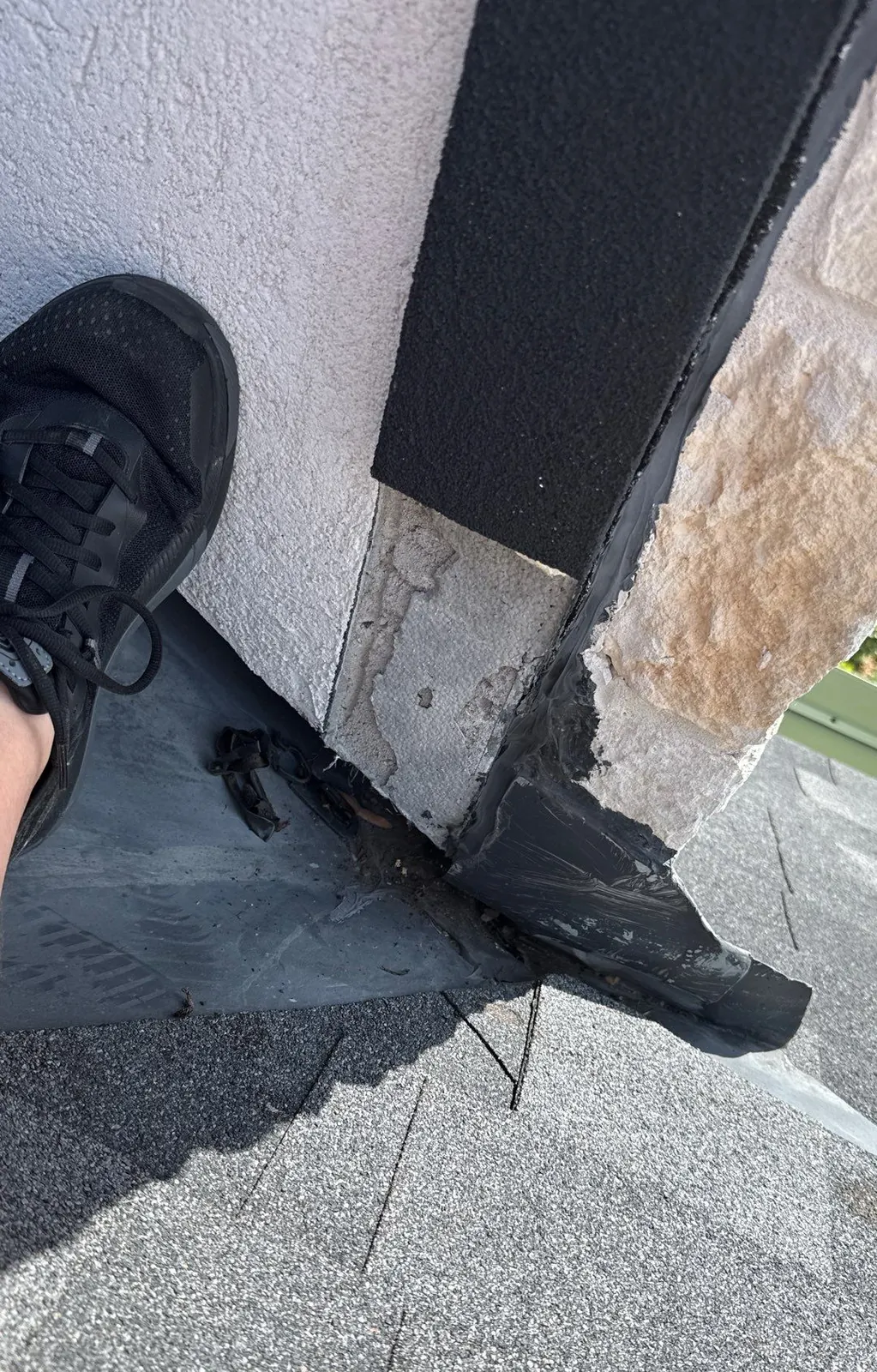
Flashing at walls, chimneys, skylights and satellite mounts
Where the roof meets anything is where the roof leaks. Wind-driven rain finds the wall flashing first.
Nothing caulked. Fixed once.
Here's what usually happens. A roofer sees a nail backing out of a pipe jack or a wall flashing, squeezes a bead of caulk over the head, and hands you an invoice. The caulk doesn't last. The sun cracks it. The nail keeps backing out, and water gets underneath.
We pull every nail in every flashing and put in a screw with a rubber (EPDM) washer. The screw grips. The washer seals and doesn't break down. It's the same way we fasten flashings on the roofs we build, because we know it lasts the life of the roof.
Screws are for flashings. Shingles are still nailed.
We did it the other way too, once. Over the years we learned the caulk comes back and the nail keeps failing. So we changed the standard, for every roof.
Three programs, built around the three things that fail
Your roof falls into one of them. Each one is one time, paid once. No contract, no renewal. And a roofer who already knows your roof.
The Anchor
$649
One time. No contract, no renewal.
- Every nail in every flashing pulled
- A screw with a rubber (EPDM) washer put in its place
- Wall flashings, pipe jack flanges and vent flashings, across the whole roof
- A dated photo report of what we found and what we left
The Breakwater
$1,049
One time. No contract, no renewal.
Most homes 6 years and older- Everything in The Anchor
- One repair included: a pipe jack, an exhaust vent, or up to five shingles
- Plastic vents checked
- Attic ventilation checked
- Roof and valleys cleared
- Photos that evening, and a follow-up check when you want one, nothing tied to it
The Harbor
$1,249
One time. No contract, no renewal.
- Everything in The Breakwater
- Gutters cleared and flow-checked
- A roof file kept on record
- Anything ever comes up, call. We come out and take a look, as a courtesy.
Add-ons, same visit: each extra pipe jack or vent $150. Dryer jack (metal, made for dryer exhaust) $225. Anything else is quoted in writing first, with a photo of the area. Nothing extra is done without your OK.
The math: $649 now instead of a $30,000 roof years before you needed one.
The inspection comes first. We tell you which program fits your roof, or that it doesn't need one yet. If a pipe jack still has life in it, we keep it and upgrade the fastener. We don't put in parts that don't need it.
Who this is for
- Roofs 6 years and older. That's where the nails, pipe jacks and vents start going.
- Homeowners 5 to 10 years from a new roof who want every one of those years.
- New buyers with no roof history. You get a documented starting point.
- Homeowners whose insurance company sent a roof-condition notice at renewal. A documented, well-kept roof is the record you want.
What your photo report shows
- An overview and a close-up of every penetration and wall flashing that got a screw.
- Whether a pipe jack or shingles were put in new.
- Anything else you should know about, good or bad.
- An honest estimate of the service life left in your roof. Not "looks fine." Where it actually stands.
The photos come that evening. The file is yours. Share it with anyone you want: an insurer, a buyer's inspector, another roofer.
Selling your house?
The buyer's inspector flags the roof, and the buyer asks for a credit. Who decides what that credit is? Not you. A roof with a dated file of what was done and when makes it a different conversation.
Found something bigger?
If we find storm damage, we photograph it, date it, show you, and put it in your file. If a repair is outside the program, you get it in writing with a photo and a price first. Nothing extra happens without your OK.
What we found. What we left.
What these failures look like up close.
What to ask anyone offering roof maintenance
- Do you seal nails, or take them out?
- What do you fasten flashings with: nails, or screws with rubber (EPDM) washers?
- Do you fix every flashing on the roof, or just the one I called about?
- Is it one visit, or a yearly contract?
- Will I get dated photos of every spot you touched?
- What exactly is not included, and how will you price it?
Also ask: did they walk you through a file? The age of the roof, what's good up there, what needs attention, and your options, and then let you pick?
Questions homeowners ask
Should I replace my roof if it's not leaking?
Usually not yet. A roof that isn't leaking often has years left. What fails first are the nails in the flashings, the pipe jacks and the plastic vents. Fix those once and the shingles can run their full 20 to 25 years. A photo inspection shows you where your roof stands.
How long does a roof last in Texas?
Shingles last 20 to 25 years. The heat is hard on them, and harder on the parts around them. Nails, pipe jacks and plastic vents can start failing years before the shingles do. That gap is where most roofs lose their life early.
Why do you fix every nail, not just the one that is backing out?
If nails are backing out of one pipe jack flashing, the others are at the same stage. Same sun. Same heat and cold. Same age. Same fastener. They're on the same timeline. Fixing only the one you called about means another call next year. We do them all, once.
Is there a contract or a yearly fee?
No. Each program is one time and paid once. No contract, no renewal. You end up with a roofer who already knows your roof.
What if you find storm damage during the visit?
We photograph it, date it, show it to you, and put it in your file. We don't tell you what to do about it that day. If you ever need it, you have a contractor's dated record.
What isn't included?
Runs of ice and water shield, step flashing, valley metal, field underlayment, decking, shingles beyond the included allowance, leak tracing and structural repairs. Each is quoted separately, in writing, with a photo, before any work.
See what your roof is telling you before you decide anything.
- Book a roof inspection.
- We bring your roof system down to you. The good, the bad, what's failing, in photos.
- You decide.